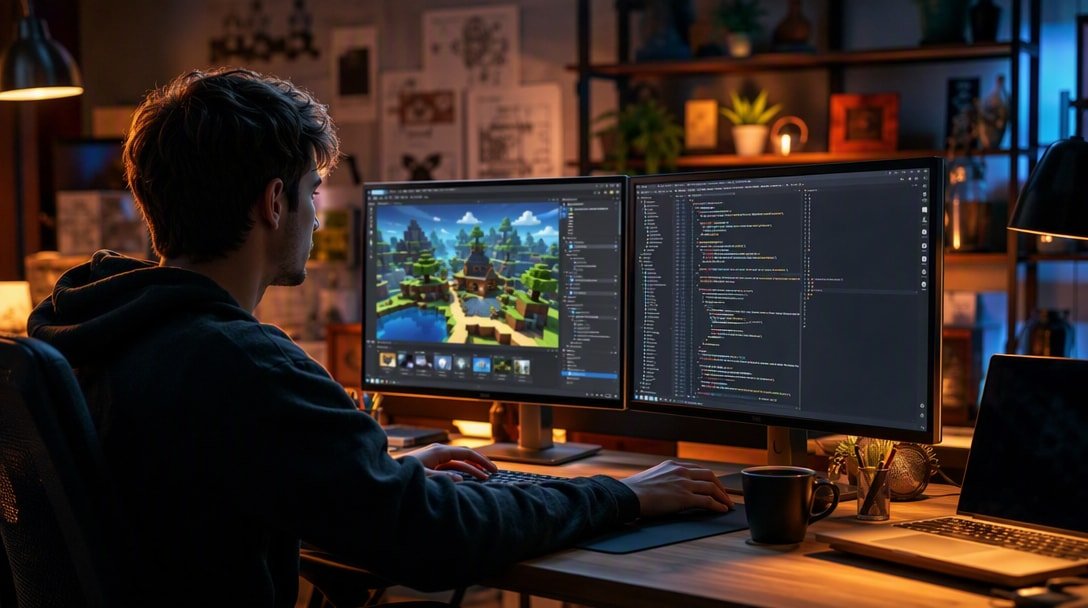
The Roblox creator economy is bigger than most players realize. In our Roblox review, we covered Roblox Studio as a feature that lets anyone design and publish their own game. What we didn’t get into is how far that can actually go: for a meaningful number of creators, building on Roblox isn’t a hobby, it’s genuine work. Here’s how the platform’s creator economy actually functions.
Table of Contents
From Player to Publisher
Roblox Studio is free to use on Windows or Mac, with no separate publishing fee to release an experience to the platform’s global player base. That low barrier to entry is a big part of why Roblox hosts millions of player-made games — solo hobbyists, small indie teams, and professional studios are all publishing through the same tools and the same storefront.
Roblox Creator Economy: How Creators Actually Make Money
Monetization on Roblox generally works through a few channels available to experience creators:
- In-experience purchases: creators can sell virtual items, passes, or perks within their own game, paid for in Robux.
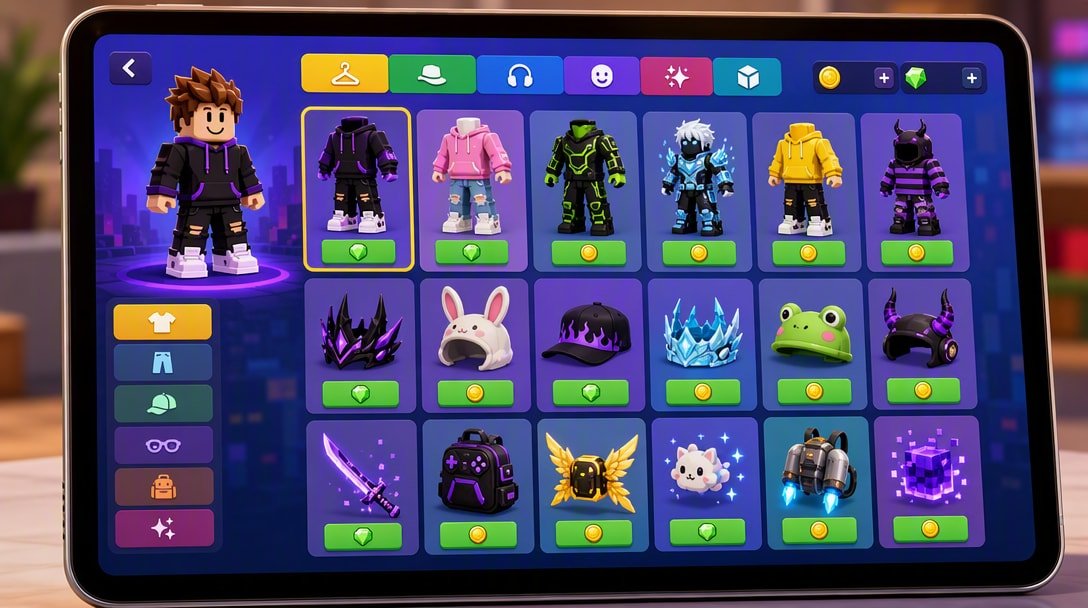
- Avatar marketplace items: creators can design and sell avatar clothing, accessories, and other cosmetic items through the platform’s broader marketplace, separate from any specific game.
- Robux-to-cash conversion: Robux earned through sales can be converted to real currency through Roblox’s Developer Exchange (DevEx) program, subject to the platform’s own eligibility requirements and exchange rates.
Game Passes vs. Developer Products
Within an individual experience, creators typically monetize through two distinct Robux-based tools. Game Passes are one-time purchases that unlock a permanent perk for that player — a cosmetic, a VIP area, or a persistent gameplay boost. Developer Products, by contrast, are repeatable purchases, like in-game currency packs or consumable items a player might buy multiple times. Understanding this distinction matters for anyone building an experience, since the two tools suit very different kinds of in-game economies.
Engagement-Based Premium Payouts
Beyond direct purchases, Roblox also pays creators based on engagement from Roblox Premium subscribers who play their experience — a revenue stream that rewards experiences that keep subscribers playing longer, separate from any purchase a player makes. This is part of why simply publishing an experience without ongoing engagement isn’t enough; the payout structure itself favors games with real retention.
The UGC Limiteds Marketplace
Beyond individual games, Roblox also runs a Limiteds marketplace for user-generated avatar items, where verified creators can list items that can later be traded and resold between players, similar in spirit to a secondary collectibles market. Access to this program has its own separate eligibility bar, and it functions as its own income stream independent of building a game at all.
How to Actually Get Started
If you’re weighing whether to try building on Roblox, the realistic starting path looks something like this:
- Install Roblox Studio (free, Windows or Mac) and work through the built-in tutorials before attempting an original project — they cover the editor’s core building and scripting workflow faster than trial and error.
- Start small and finish it. A simple, complete, playable experience teaches you more about publishing, testing, and player feedback than an ambitious project you never ship.
- Study what’s currently popular in the genre you want to build in, not to copy it directly, but to understand what keeps players engaged in your specific niche.
- Publish early and iterate. Most successful experiences on the platform went through many small updates based on real player behavior rather than launching feature-complete.
- Learn basic Lua scripting once you’re comfortable with the building tools — it unlocks custom mechanics that pure drag-and-drop building can’t achieve.
Common Mistakes New Creators Make
A few patterns show up repeatedly among creators who struggle to gain traction:
- Overbuilding before launching: spending months on a large project before getting any real player feedback, rather than shipping something small and testable early.
- Copying trends too late: by the time a specific genre or mechanic is visibly trending, the window to compete directly on that trend alone has often already narrowed.
- Ignoring retention metrics: focusing entirely on getting new players in, rather than understanding why existing players leave and don’t come back.
- Underpricing or overpricing in-game items without testing, since Robux pricing that feels right to the creator doesn’t always match what players are actually willing to spend.
- Going solo on everything: many successful experiences are built by small teams that split building, scripting, and art, rather than one person trying to do all of it alone.
What It Actually Takes to Succeed
This is where the Roblox creator economy gets a lot less glamorous. Publishing an experience is easy; making it profitable is not. With millions of experiences competing for player attention, most published games see little traffic, and meaningful income is concentrated among a much smaller number of highly popular titles. Success on Roblox tends to follow patterns familiar from any competitive creator platform: consistent updates, responsiveness to player feedback (a pattern we noted throughout real player reviews of games like School Party Craft), and games that are quick to learn but have enough depth to retain players matter more than raw production polish alone.
Skills the Platform Actually Teaches
Beyond direct monetization, Roblox Studio functions as an accessible, real entry point into game development and 3D design more broadly. Scripting (using Roblox’s Lua-based language), 3D modeling, UI design, and live-service thinking (managing an ongoing game rather than a one-off release) are all skills that transfer well beyond Roblox itself, which is part of why some young creators use it as a genuine stepping stone into broader tech or game development careers.
Downsides and Risks Worth Knowing
Building on Roblox comes with real risks and friction that are worth going in aware of:
- Platform dependency: your experience, audience, and income all exist within rules Roblox sets and can change — monetization policies, discovery algorithms, and eligibility requirements are outside a creator’s control.
- Payout thresholds and delays: DevEx conversion has minimum balance requirements and processing time, so earnings aren’t instantly accessible the way a direct sale might be.
- Discovery is competitive: with millions of experiences live at once, getting initial visibility for a new game is arguably harder than building the game itself.
- Chargebacks and disputes: like any platform handling real-money-adjacent transactions, developers can be affected by payment disputes tied to purchases in their experience.
- Time investment with no guarantee: as covered above, most published experiences see limited traffic, and there’s no guaranteed return on the time spent building one.
Realistic Expectations
It’s worth being direct about this: most people who try building on Roblox will not replace a full-time income from it, in the same way most people who start a YouTube channel or a small app don’t either. The platform’s economy rewards a relatively small number of breakout successes disproportionately, which is a normal pattern for open creator marketplaces, not something unique to Roblox.

Frequently Asked Questions
Is it free to publish a game on Roblox? Yes, Roblox Studio is free to use, and there’s no separate fee to publish an experience to the platform.
Can you really make money as a Roblox creator? Within the Roblox creator economy, Yes, through in-experience purchases, avatar marketplace item sales, and converting earned Robux to real currency — though meaningful income is concentrated among a relatively small number of highly popular experiences.
Do I need to know how to code to build on Roblox? Basic building doesn’t require scripting, but more advanced gameplay mechanics typically use Roblox’s Lua-based scripting language.
What skills does building on Roblox actually teach? Scripting, 3D modeling, UI design, and ongoing live-service management — skills that transfer to broader game development and tech careers.
What’s the difference between Game Passes and Developer Products on Roblox? Game Passes are one-time purchases that unlock a permanent perk, while Developer Products are repeatable purchases like consumable in-game currency.
How long does it take to withdraw Robux earnings as real money? Converting Robux to cash goes through Roblox’s DevEx program, which has its own minimum balance requirements and processing time — it’s not instant.
Can a solo developer succeed on Roblox, or do you need a team? Solo developers can and do succeed, but many of the most successful experiences are built by small teams splitting building, scripting, and art — team structure isn’t required, but it can meaningfully speed up development.
Is Building on Roblox a Realistic Side Hustle in 2026?
For most people, the honest answer is: as a side hustle, yes, it’s a reasonable one to try, provided expectations stay calibrated. Unlike many online side hustles that require upfront spending — inventory, ad spend, subscriptions — the barrier to entry here is genuinely just time, since Roblox Studio and publishing are both free. That makes it a low-risk way to test whether game development is something you actually enjoy, separate from whether it becomes a meaningful income source.
Where it differs from a lot of other creative side hustles is the compounding nature of a live-service game: an experience that gains steady traction can keep generating revenue with far less ongoing effort than, say, a freelance gig that requires constant new client work. That’s also exactly why competition for attention is so fierce — everyone building on the platform is chasing that same compounding effect, and only a fraction of experiences ever reach it.
Key Takeaways
- Roblox Studio is free, with no separate fee to publish an experience.
- Creators earn through in-experience purchases, marketplace item sales, and converting Robux to cash.
- Success is concentrated among a relatively small number of highly popular experiences, similar to other creator platforms.
- The platform teaches transferable skills in scripting, 3D design, and live-service game management.